
Call Us: (708) 916-8635
Why Does Professional Landscaping Matter for Hospitals and Healthcare Facilities?
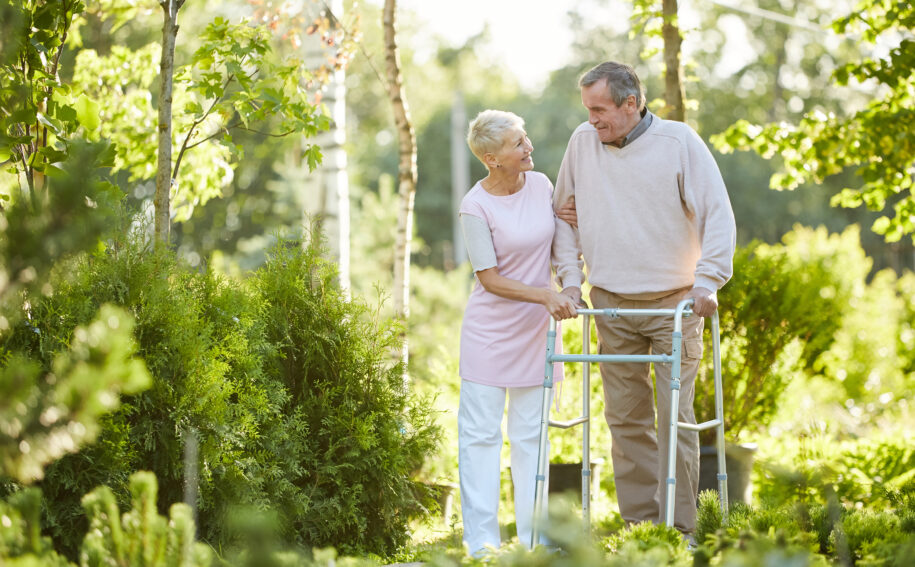
Hospitals and healthcare facilities have no shortage of places to invest their budgets. Medical technology, staffing, patient services, building upgrades: every dollar has somewhere important to go. Against that backdrop, landscaping can feel like a low priority. It shouldn’t be.
At Shelton Landscape Group, we’ve spent years designing, constructing, and maintaining landscapes for healthcare facilities across the Chicagoland area. We’ve seen firsthand what a well-kept, thoughtfully designed exterior can do for a facility and what a neglected one can cost.
Professional landscaping matters for hospitals and healthcare facilities because it:
- Creates a welcoming first impression that puts patients and visitors at ease.
- Promotes healing by fostering a calmer, less clinical environment.
- Improves safety, accessibility, and overall upkeep of the grounds.
- Boosts staff satisfaction and morale.
If you want these benefits for your healthcare facility, investing in professional landscaping is worth it.
How Does Landscaping Create a Positive First Impression for Patients and Visitors?
The biggest reason why professional landscaping is so important for healthcare facilities is that it affects how people perceive your facility.
Clean, well-maintained landscaping communicates that a facility pays attention to details. It signals organization, pride, and a standard of upkeep that patients and families naturally associate with the quality of care inside. A polished exterior can also ease some of the stress that comes with arriving for an appointment, procedure, or emergency.
Here are some of the landscaping features that make the strongest first impression on patients and visitors:
- A grand, well-lit entrance that feels welcoming and easy to reach, even during evening hours.
- Manicured lawns and trimmed hedges that signal a facility that takes pride in its appearance and attention to detail.
- Colorful seasonal plantings that add warmth and life to what could otherwise feel like a cold, clinical environment.
- Clear, well-paved walkways with proper signage that reduce confusion and guide visitors confidently to the right entrance.
- Shaded seating areas near the entrance that give patients and families a comfortable place to pause before heading inside.
Together, these elements create an exterior that reassures patients and visitors they’re in good hands.
How Does Landscaping Reduce Stress and Support Healing?
Another reason professional landscaping matters so much for healthcare facilities is that nature has actually been proven to support healing. Studies show that exposure to green spaces, natural light, and outdoor environments can lower stress levels, reduce blood pressure, and even speed up recovery times.
Landscaping features that best promote healing and calm include:
- Shaded seating areas where patients and families can sit comfortably without exposure to direct sun.
- Native plantings, mature trees, and natural textures that feel organic and soothing rather than sterile.
- Walkways that encourage gentle movement and give patients a safe, comfortable place to walk.
- Spaces separated from parking and high-traffic zones to minimize noise and maintain a sense of calm.
Whether it’s a patient stepping out for fresh air or a family member needing a moment to collect themselves, a thoughtfully designed outdoor space can make a real difference during an incredibly difficult time.
How Does Landscaping Improve Safety, Accessibility, and Compliance for Healthcare Properties?
Professional landscaping also directly improves safety and accessibility: two things no healthcare facility can afford to overlook. Many of the patients, visitors, and staff members navigating your grounds may have mobility challenges, be recovering from injury, or be using medical equipment. Well-maintained grounds help guarantee that everyone can move through your facility safely and comfortably.
Here are some common safety and accessibility issues that professional landscaping can address:
- Overgrown shrubs and trees that block sightlines near entrances, crosswalks, or parking areas, creating security blind spots.
- Cracked or uneven walkways that pose trip hazards, particularly for those using wheelchairs, walkers, or crutches.
- Poor drainage that leads to standing water, ice patches, or slippery surfaces during wet or cold weather.
- Inadequate lighting caused by overgrown vegetation that obscures pathway lights or security fixtures.
- Narrow or obstructed pathways that make it difficult for those with mobility aids to navigate safely.
- Eroded or unstable ground near curbs, ramps, or parking areas that can increase the risk of falls.
Resolving these issues with professional landscaping supports ADA compliance and reduces the risk of costly liability claims.
How Does an Attractive Workplace Landscape Improve Staff Satisfaction?
Professional landscaping also plays a significant role in staff satisfaction. Healthcare workers operate under enormous pressure; long shifts, high-stakes decisions, and emotionally demanding interactions can take a serious toll. Over time, this chronic stress can lead to burnout, reduced focus, and ultimately impact the quality of care they can provide to patients.
Attractive outdoor spaces help combat this stress. They give staff somewhere to decompress during breaks and take care of themselves. The landscaping features healthcare staff appreciate most include:
- Shaded seating areas where they can sit, breathe, and recharge away from the intensity of the ward.
- Walking paths that encourage light movement and fresh air during short breaks.
- Quiet garden spaces with calming greenery, water features, or natural elements that promote mental restoration.
- Covered outdoor areas that can be used year-round, regardless of weather.
- Well-lit, welcoming spaces that feel safe and inviting during early morning or evening shifts.
Access to these kinds of spaces makes staff feel valued by their organization. When employees know their well-being is a priority, they are more motivated, more resilient, and more likely to stay committed, even on the hardest days.
Make Landscaping an Investment, Not an Afterthought
Landscaping for a hospital or healthcare facility is not a line item to cut. It is an investment in the experience, safety, and reputation of your organization. Well-maintained grounds benefit every person who visits or works on your property, from the patient arriving for a procedure to the nurse stepping outside between shifts.
If your healthcare facility’s exterior is not reflecting the standards you hold inside, Shelton Landscape Group can help. Connect with our landscape designers and create an outdoor space that supports your goals.
Similar Posts
23Aug
Hospitals and healthcare facilities have no shortage of places to invest their budgets. Medical technology, staffing, patient services, building upgrades: every dollar has somewhere important to go. Against that backdrop,…
24Jun
You've invested in marketing campaigns, updated your website, stayed active on social media, and run promotions hoping to bring more customers through your doors. Yet somehow, it still feels harder…

24Feb
Winter in the Midwest puts commercial property owners under added pressure. You are responsible for keeping your property accessible, your people safe, and your business protected. One missed patch of…
Commercial
Snow & Ice Removal
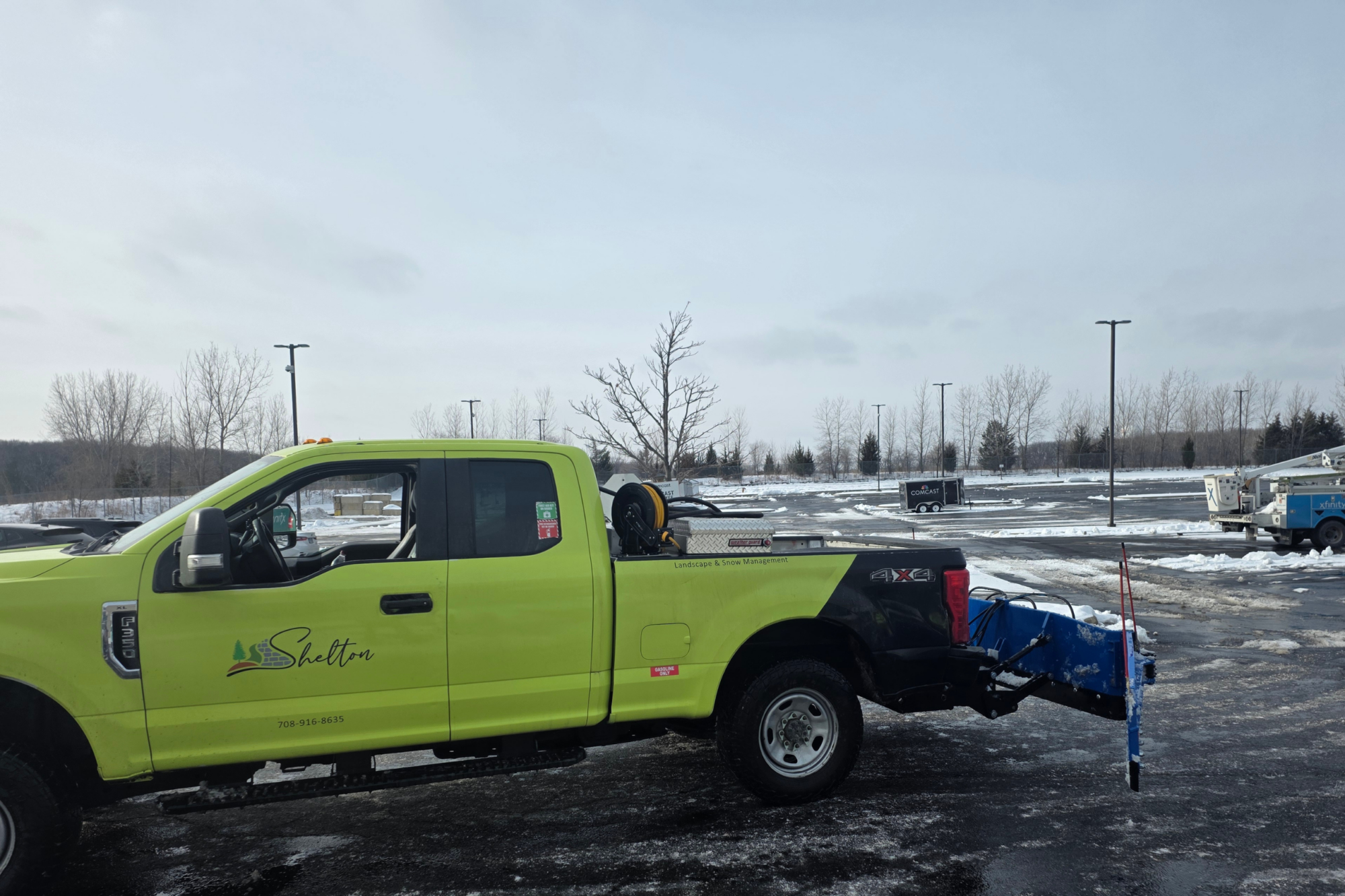
We provide commercial snow removal, ice control, snow plowing, sidewalk shoveling, and ice removal.
Contact Shelton Group

The information on this website is for informational purposes only; it is deemed accurate but not guaranteed. It does not constitute professional advice. Testimonials are not a guarantee, warranty or prediction of what your experience with us will be. By providing contact information, users acknowledge and give explicit consent to be contacted via the methods of communication provided, including SMS. Message and data rates may apply. Message frequency may vary. Reply STOP to opt out.
NUVEW | Copyright 2026 All Rights Reserved | Privacy Policy | Accessibility Notice
